


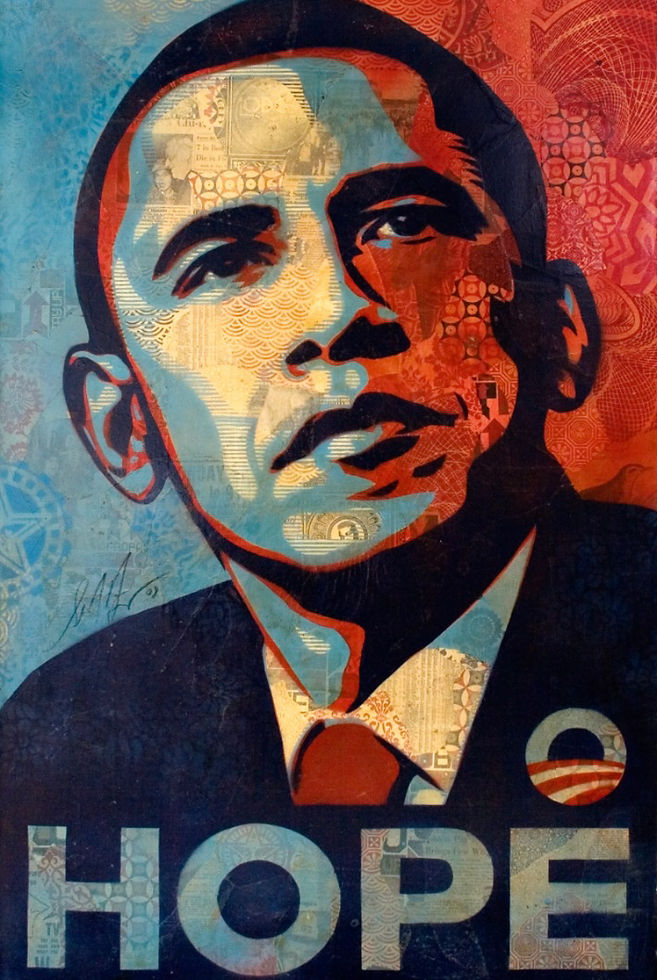
SHEPARD FAIREY: The journey from ART to FASHION icon! By AI Assistant

Shepard Fairey: A Journey from Art to how he made the FASHION world OBEY!
Shepard Fairey, born on February 15, 1970, in Charleston, South Carolina, is an influential American contemporary street artist, graphic designer, and activist. Raised in a creative environment, his early exposure to art came from his father, an architect, and his mother, a teacher. Fairey’s passion for art was ignited during his teenage years, particularly through skateboarding culture and punk rock music, which heavily influenced his artistic style.

In 1988, while studying at the Rhode Island School of Design, Fairey created the iconic “André the Giant Has a Posse” sticker campaign. This project marked the beginning of his journey into street art, blending humor with social commentary. The campaign evolved into the “Obey Giant” brand, which symbolizes the questioning of authority and consumerism, drawing inspiration from the works of artists like Barbara Kruger and Andy Warhol.
Fairey’s fusion of art and fashion emerged naturally as he recognized the power of wearable art. His brand, Obey, began as a way to share his art with a broader audience, merging streetwear with social activism. The Obey clothing line features bold graphics and messages that challenge societal norms, appealing to a demographic that values self-expression and individuality.
Shepard Fairey’s “Obey Giant” brand serves as a compelling critique of authority and consumerism through its innovative use of art, symbolism, and messaging. Here’s how it encapsulates these themes:
1. **Origins and Iconography**
- **André the Giant:** The brand began with a simple sticker campaign featuring the face of professional wrestler André the Giant. This seemingly absurd image caught attention, prompting viewers to question why it was everywhere.
- **Subversive Messaging:** The phrase “Obey” paired with the image challenges viewers to reflect on authority and the nature of control in society. It implies that people are often manipulated into obedience without questioning why.
2. **Rebellion Against Consumer Culture**
- **Anti-Consumerism:** Fairey’s work criticizes how consumer culture promotes conformity. By using commercial tactics—like mass production of art—he highlights the irony of commodifying rebellion.
- **Art as a Commodity:** The juxtaposition of high art and street art illustrates the commercialization of culture, urging people to reconsider their relationship with consumer goods.
3. **Social and Political Commentary**
- **Political Activism:** Fairey’s art often addresses social issues, from war to corporate greed. This activism resonates with audiences, encouraging them to think critically about the systems that govern their lives.
- **Public Space Utilization:** By placing art in public spaces, Fairey democratizes access to art, breaking traditional barriers and inviting discourse around authority and power dynamics.
4. **Cultural Impact**
- **Global Recognition:** The widespread recognition of the “Obey Giant” brand has led to discussions about the role of art in social movements. It has become a symbol of counterculture, inspiring others to question societal norms.
- **Merchandising Art:** Fairey’s ability to market his art through clothing and accessories allows him to engage directly with consumers, turning them into participants in the conversation around authority and consumerism.
Through its striking visuals and layered meanings, the “Obey Giant” brand not only entertains but also provokes thought, making it a powerful tool for challenging authority and critiquing consumerism.
Shepard Fairey’s strategic use of public spaces plays a significant role in enhancing the accessibility of art and amplifying social commentary. Here’s how it contributes to these objectives:

1. **Democratization of Art**
- **Public Visibility:** By placing his art in urban environments, Fairey ensures that it reaches a diverse audience beyond traditional gallery-goers. This democratizes access, allowing anyone to engage with his work.
- **Elimination of Barriers:** Public art removes the barriers often associated with formal art institutions, making it accessible to people from various backgrounds and socioeconomic statuses.
2. **Engagement with the Community**
- **Cultural Relevance:** Fairey often creates works that reflect local issues, thus fostering a connection between the artwork and the community. This relevance encourages dialogue about social and political matters.
- **Interactive Experience:** Street art invites spontaneous interactions, prompting viewers to contemplate the messages conveyed. This engagement transforms passive observation into active reflection.
3. **Catalyst for Discussion**
- **Provocative Messaging:** Fairey’s work frequently includes challenging themes that provoke thought and discussion around authority, consumerism, and social justice. This can lead to grassroots conversations and movements.
- **Visibility of Issues:** By addressing current societal issues in prominent locations, Fairey raises awareness and encourages public discourse on topics that may otherwise be overlooked.
4. **Art as Activism**
- **Mobilizing Public Sentiment:** Fairey’s art often serves as a rallying cry for social change. By situating his messages in public spaces, he mobilizes viewers to consider their roles in societal dynamics.
- **Empowerment through Expression:** The presence of his art can empower individuals by validating their concerns and prompting them to take action, whether through activism or personal reflection.
5. **Crossover into Fashion and Merchandise**
- **Wearable Art:** Fairey’s integration of art into fashion allows for personal expression and visibility, turning everyday clothing into statements that challenge norms.
- **Commercialization of Activism:** By selling products featuring his designs, he maintains a presence in both the art and consumer worlds, further bridging the gap between art, commerce, and social commentary.
Through these methods, Shepard Fairey not only makes art accessible but also transforms it into a vehicle for social change, encouraging broader participation in critical dialogues. Today, Fairey is celebrated not just for his art but also for his contributions to the fashion industry, where he continues to inspire a generation of artists and fashion enthusiasts. His work embodies the spirit of rebellion and creativity, making a significant impact on both the art world and popular culture.


Comments